Press information
Seiichi Furuya
Mémoires
Infos
Press preview
11.12.2026, 10 a.m.
Opening
11.12.2026, 5 p.m.
Duration
12.12.2026 – 21.2.2027
Concept
Seiichi Furuya
Press downloads

Press Information
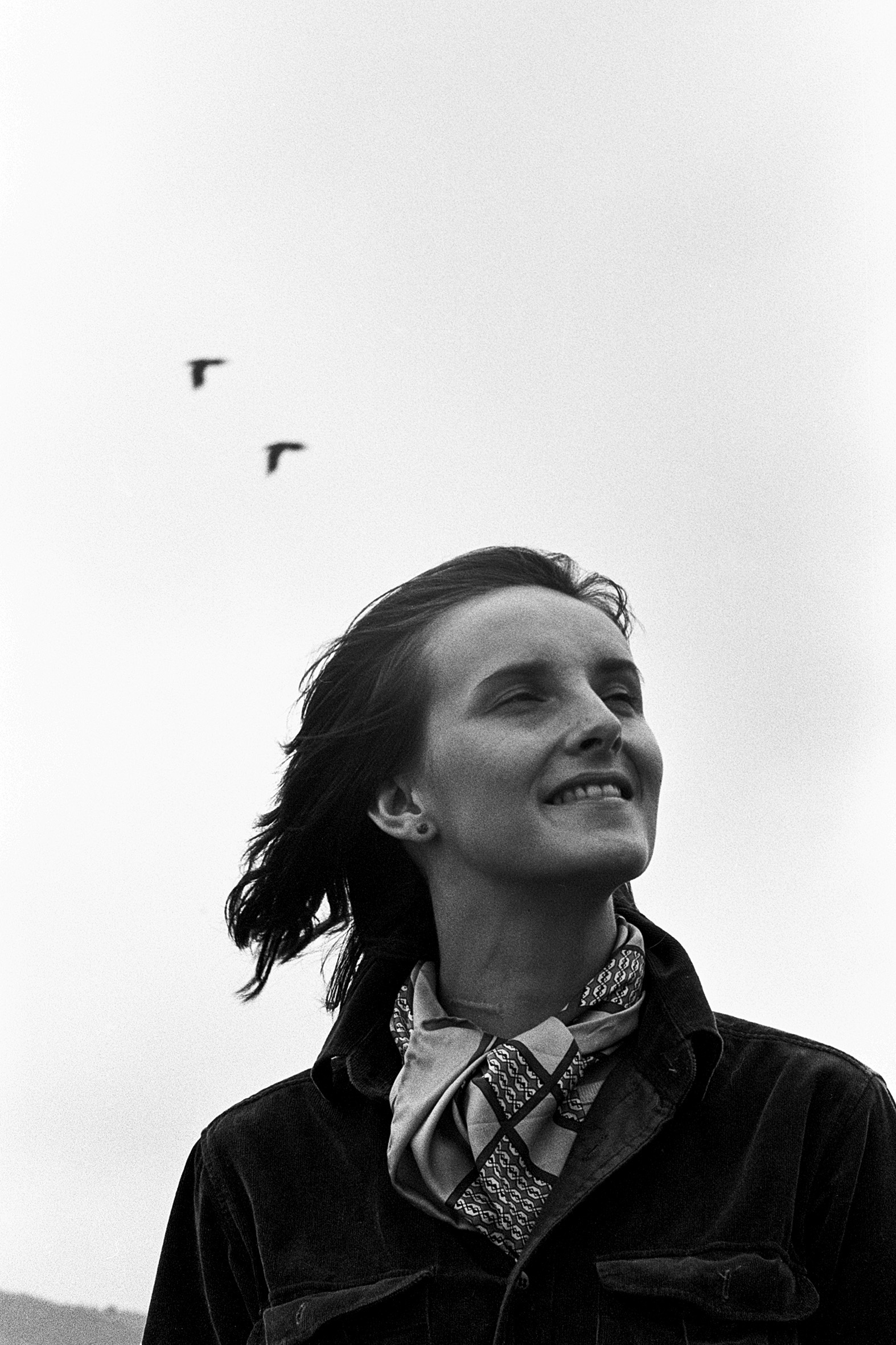
Fade-in: Christine Gössler gazes into the distance, her chin slightly raised. Her hair is blown back by the wind, behind her head, and her smiling mouth is open. On her neck, an almost invisible scar is discernible—it forms a pale contour above the silkily sheen scarf, which is defined by lines and graphic patterns and protects her chest from the wind along with a dark jacket. Where the gaze emanating from her half-open eyes ultimately lands remains a mystery, but it seems to be reading something from afar. Something in the landscape, the coastal area, or the sky of Izu in Japan, where Seiichi Furuya took this photograph in 1978. Behind Christine Gössler’s head, two large birds are moving across the sky, flapping their wings in unison as they glide by. Perhaps cranes, which in Japan, Furuya’s native country, stand for love and longevity, among other things.
Before rumination about the pictorial moment of this black-and-white photograph has a chance to deepen, the image—projected onto the wall as a slide—fades, then reappears on a different wall in the room, redirecting the gaze. Offset temporally and spatially, the visibility of the portrait is repeated for just a few seconds, entering into contact simultaneously with other visual projections: with situations from the life of Christine Furuya-Gössler (1953–1985), Seiichi Furuya (born 1950), and their son Kômyô Klaus (born 1981)—in Graz, Vienna, Dresden, East Berlin, or while traveling to other areas.
After meeting Christine Gössler in February 1978 in Graz, the individual portrait as a genre became the clamant subject of Seiichi Furuya’s photography. He took pictures of her almost daily, quite routinely—and Christine Furuya-Gössler, too, engaged in her own photographic practice at times. Their copious collection of imagery grew, even though not all rolls of film were developed and hence not all photos viewed; the idea was to see and show each other, to become immersed in the act of making photographs.¹ But then, in October 1985, Christine Furuya-Gössler took her life, at the family’s residence in East Berlin.
Furuya faced her physical absence in different ways, mainly by photographing his immediate surroundings in East and West Berlin and by working on his photographic archive. His approach of visually encountering his grief led to the comprehensive group of works called Mémoires. The pictures of their shared life and of related sites form the foundation of this project and have indeed become an essential component of his entire oeuvre, which is based on continual recombination and the fluid treatment of the photographs in his archive, including even earlier works.
The slide installation Mémoires (2012), to which the photograph described at the beginning of this essay belongs, encompasses 320 photographs in black and white and in color, divided across four projectors with eighty slides each. In a darkened room, these pictures appear suddenly and briefly, before disappearing again. Since the four projections are not synchronized, the individual images give rise to situative associations and meandering narrative threads, which instantaneously develop adjacently across a wall and within a corner, or stretch across the room to the opposite wall and thus necessitate an active turning of the viewer’s body or head.
Portraits of Christine and of Kômyô engage with naturally grown landscapes and those created by humans, or they encounter public gatherings, museal orchestrations, towering architectural structures, or the interior spaces of their private home. Amid all these images flashing up and the projected beams of light, we as beholders stand, becoming part of the visual and—with the Kodak slide carousel clacking—acoustic activity, which translates moments once lived into a form of vibrancy through the cyclical flow of imagery.
As part of the exhibition Seiichi Furuya: Mémoires at Camera Austria, the artist’s slide installation is now being presented for the first time in Austria and in the City of Graz, where Furuya has resided since 1987. This work is based on his photobook series of the same name, comprised of five publications, though here his selection is culled from the photographs published in the four volumes Mémoires (1978–1988) (1989), Mémoires 1995 (1995), Mémoires 1983 (2006), and Mémoires: 1984–1987 (2010).² These volumes, along with other artist books of his, are considered works in their own right and are likewise part of the exhibition.
In the book Mémoires (1978–1988), which was created in connection with an exhibition at the Neue Galerie am Landesmuseum Joanneum in Graz, Furuya started associatively linking photographs he had taken over an extended period of time, in an act of remembrance for Christine. It is both a dedication to Christine and a personal retrospective view of their time spent together. The book touches on the question of how we remember in its title, by paying reference to Jacques Derrida’s eponymous publication Mémoires, released in German translation in 1988 by Passagen Verlag in Vienna.³ The arrangement of the images collected in Furuya’s volume evinces—in the vein of Derrida—a deconstructivist approach to the medium of photography, eluding any sense of linearity. In fact, Furuya, who initially studied architecture and photography in Japan, does not arrange the photographs chronologically—although they each display information on place and year—but rather treats them as physical objects. In the images, light and shadow serve as compositional elements, and also as metaphors for psychological, mental situations. The gestures, poses, and lines of sight that repeatedly appear in the images foster a prismatic narrative that defies any kind of timeline. Here it becomes apparent that Furuya employs photography not in a documentary way but as a medium of dialogue and of insight, so as to arrive at correlations through abstract perception. Each individual picture has a unique power and yet remains but a fragment in the loose constellation of the manifold images.
In 1989, four years after the death of Christine Furuya-Gössler, this artistic act as work of remembrance could also be interpreted as a way of approaching the diagnosis of psychosis that Christine received and for which she was treated in an inpatient setting. In the book Mémoires 1983, published in 2006, special attention is given to this aspect because it was here that Furuya brought the thoughts and dreams Christine had noted down in 1983, read by him for the first time in 2006, into connection with his photographs taken around the same time. Selected motifs from this volume are echoed in the slide installation Mémoires. Seiichi Furuya’s recontextualizing works permit, in this constellation, a further reading: namely, questioning fixed personality constructs and viewing identity formation as a fluent process of unfolding.
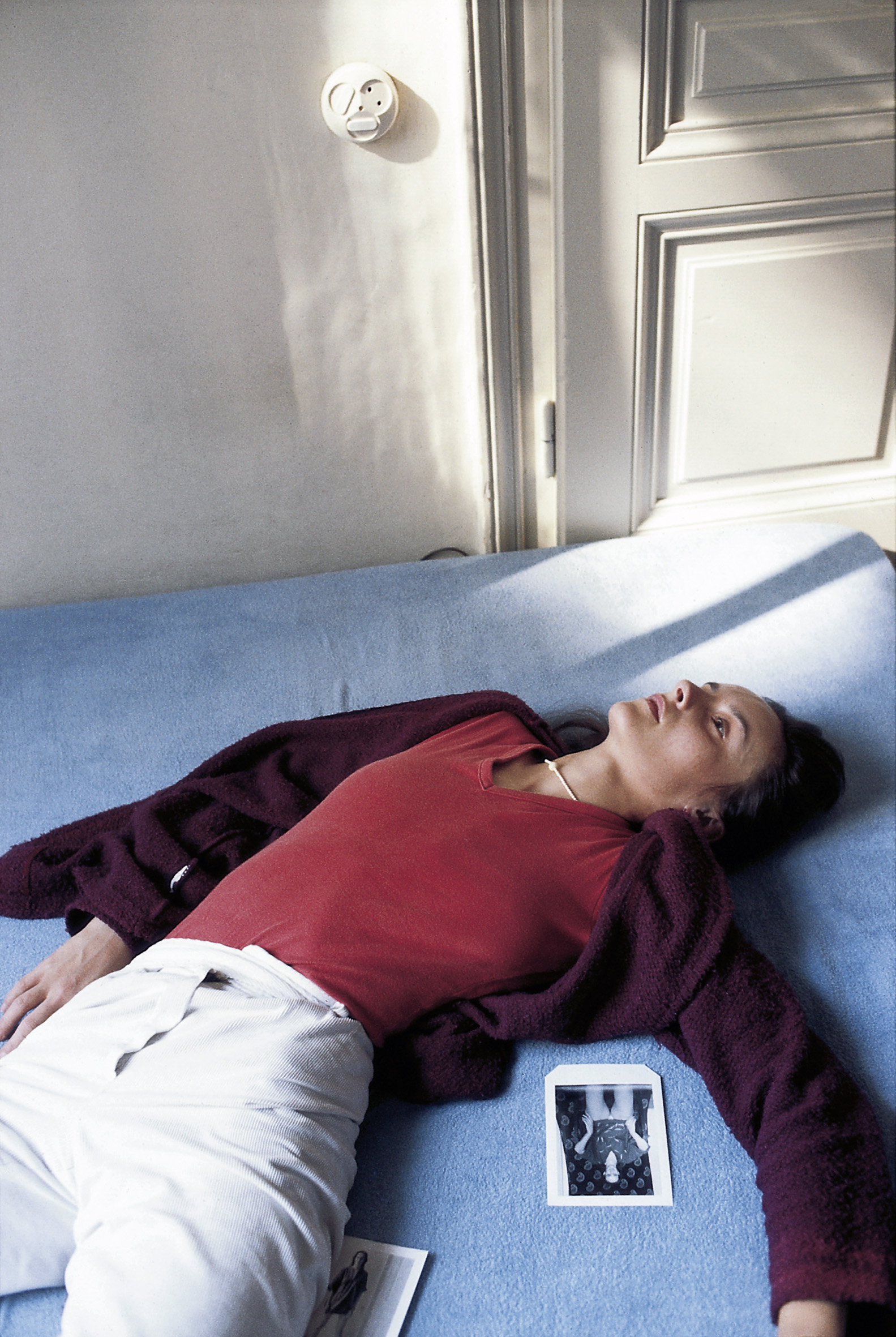
A photograph that Furuya has used repeatedly in his books, and in the slide installation, illustrates this thought clearly. Christine is reclining against a backdrop covered in light-blue fabric. She is wearing white pants, a red shirt covered with a cardigan, a white necklace. Her gaze is trained toward the ceiling, and to her left side two black-and-white photographs are casually placed. In these two photos, she is wearing different outfits, assuming unlike poses and gazes than in the color photograph that Furuya took of her in Vienna in 1983. The black-and-white images are Polaroids, created not long before the color photo, capturing the ephemeral as originals. Emanating an almost contemporary aesthetic, the color photo visualizes—through the staged “picture-in-picture moment” and the casual combination of various portrait views of Christine, who herself had studied art history, worked as a radio journalist, and took acting lessons—how identity can be shaped by media. This example clearly reflects Furuya’s work with image constellations, which he continued as a method in his Mémoires photobooks published between 1989 and 2010. The slide projections, in turn, echo the concept of his books and mark the conclusion of this group of works.
Considering that, for Furuya, each of his photographs “possesses nearly the same value,”4 and that he does not assign the pictures to hierarchical categories, his archive-based practice and flexible use of images—which appear in ever-changing constellations and varying reproduction contexts, thus engendering overlaps of imagery in his work—reveal the deconstruction of a once valid experience, narrative, or memory. Moreover, in his work focused on Christine, Furuya emphasizes various aspects of her person, but also interpersonal relationships in general and the close link between the private and the public spheres. His oeuvre and his artistic approach thus align closely with contemporary discourses, for instance on the construction of identity in relation to the (re)construction of history and the way it is conveyed through media, which are topics that Furuya explores in his various series of works.
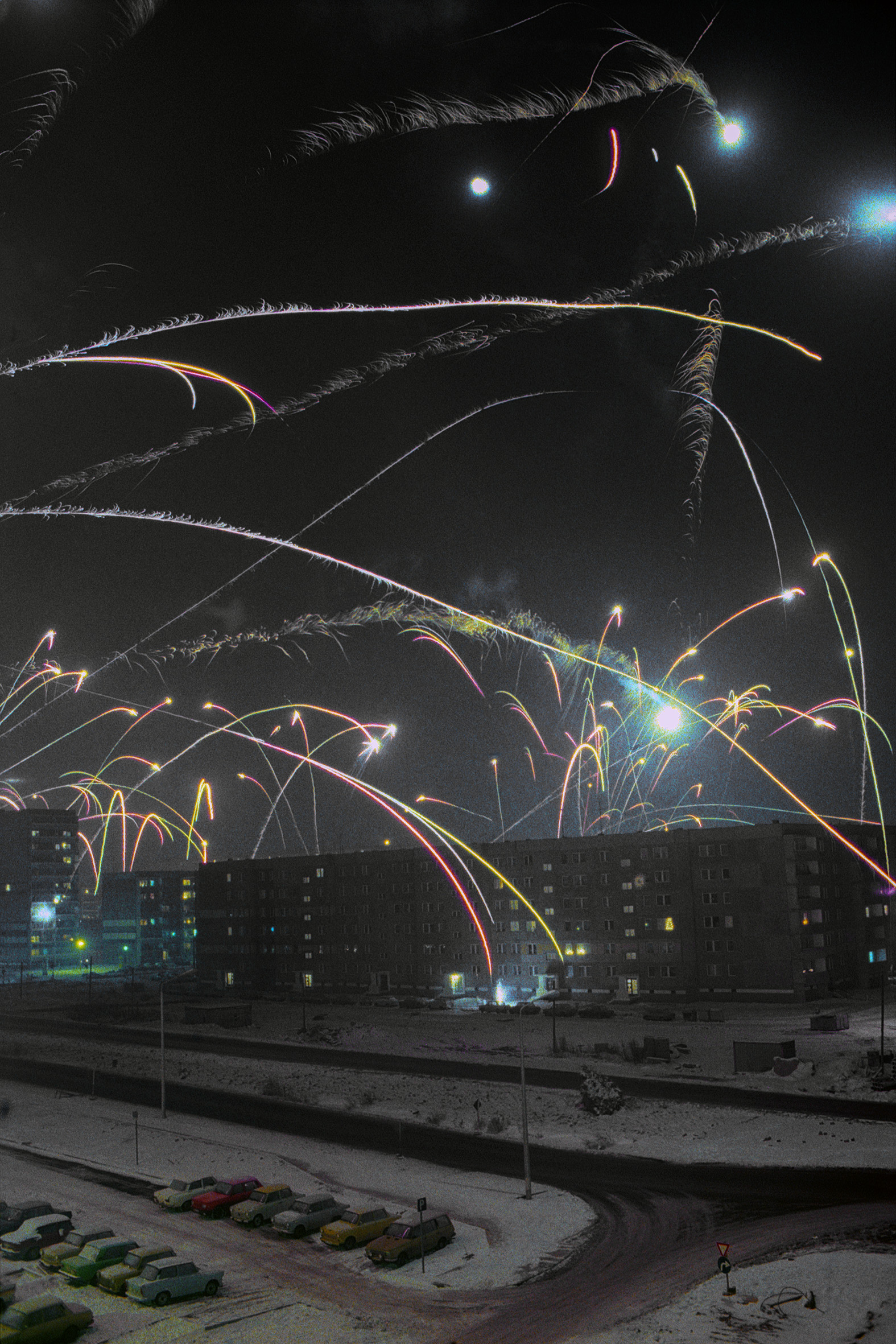
For example, the work group Mémoires in his exhibition at Camera Austria is accompanied by the series Berlin-Ost /West-Berlin 1985–87 (2025), which comprises 690 digitally projected views shown in random order, also on show in Austria for the first time. In 1984, Seiichi Furuya worked as a translator for a Japanese construction company in the German Democratic Republic (GDR), moving first to Dresden, and then to East Berlin from 1985 to 1987. He lived there with his family from spring to fall of the year 1985, in the Hohenschönhausen neighborhood, residing in a large-scale housing development located on the road Falkenberger Chaussee.5 After Christine Furuya-Gössler took her own life in October 1985, on East Germany’s “Republic Day,” her son Kômyô stayed in East Berlin with Furuya for several months, before moving to Graz in 1986 to live with his grandmother. Seiichi Furuya remained in the city until the construction of the Grand Hotel on Friedrichstraße was finished in 1987, and his job as translator thus concluded. This dual life furnishes the content for his digital slide projections: encompassing, on the one hand, private time together in their prefab apartment, during outings in the surrounding area, or specially permitted day-to-day visits across the border to the West; and, on the other, Furuya’s solitude following Christine’s death, reflected in pictures of deserted interiors, shots of images on television, or situationally observed scenes of public political space in the GDR. The Berlin Wall, which forged a divisive lane through Berlin, is a repeated motif within this series, one that symbolically reflects the cleft in the story of Furuya’s own family. In 2012, he remarked the following, looking back: “I was actually only taking pictures for myself . . . . Against forgetting.”6
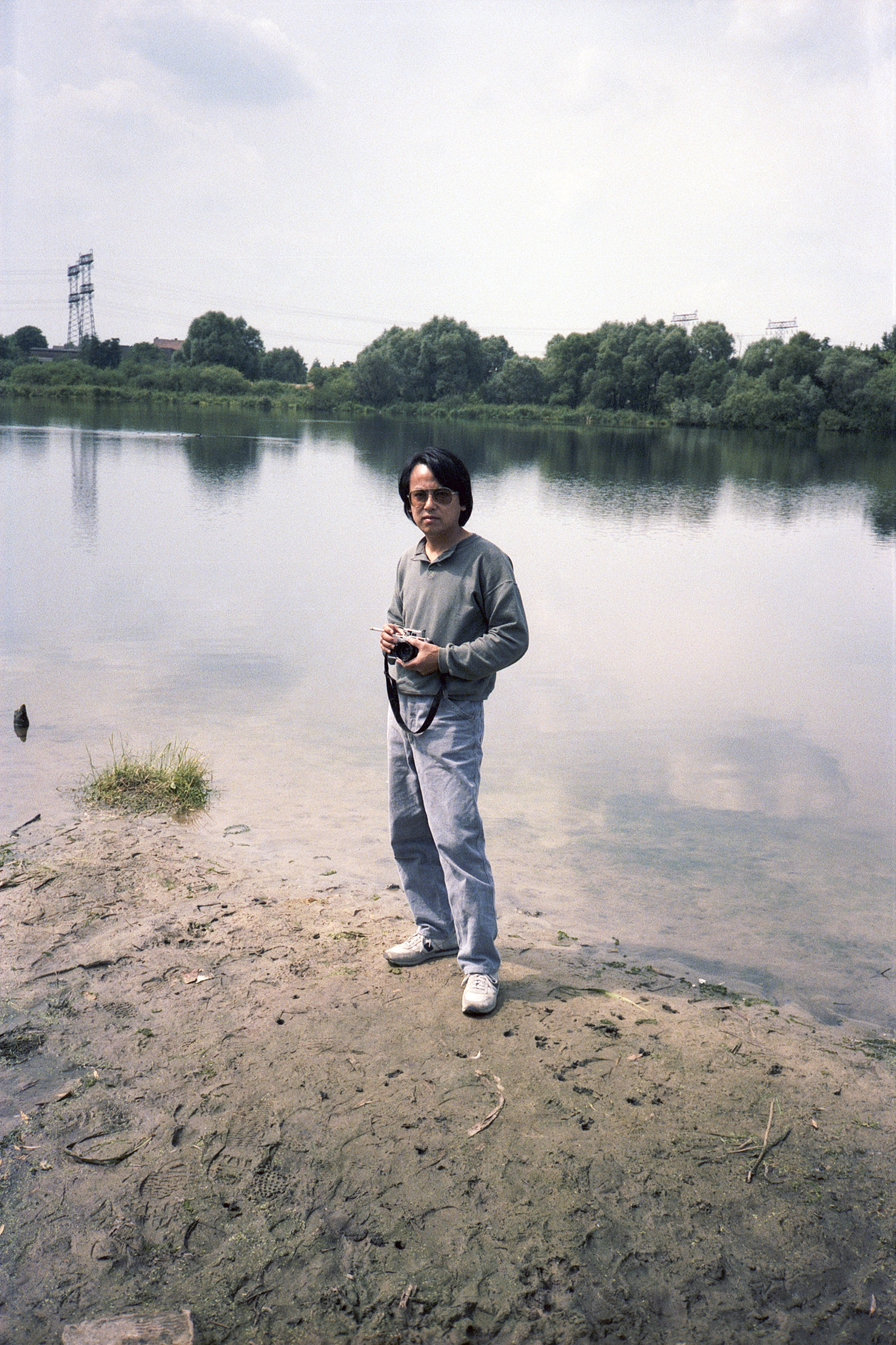
Seiichi Furuya integrated some of the photographs taken in 1985 by Christine Furuya-Gössler in East Berlin into his Berlin-Ost / West-Berlin 1985–87, for instance shots of the border crossing Checkpoint Charlie, which was the family’s passageway to the West to buy certain foods and flowers. Also, her photos include some quotidian still lifes, such as fish cut for the dish sashimi, and there is a portrait of Furuya standing next to a body of water with a cigarette in one hand and a camera in the other.
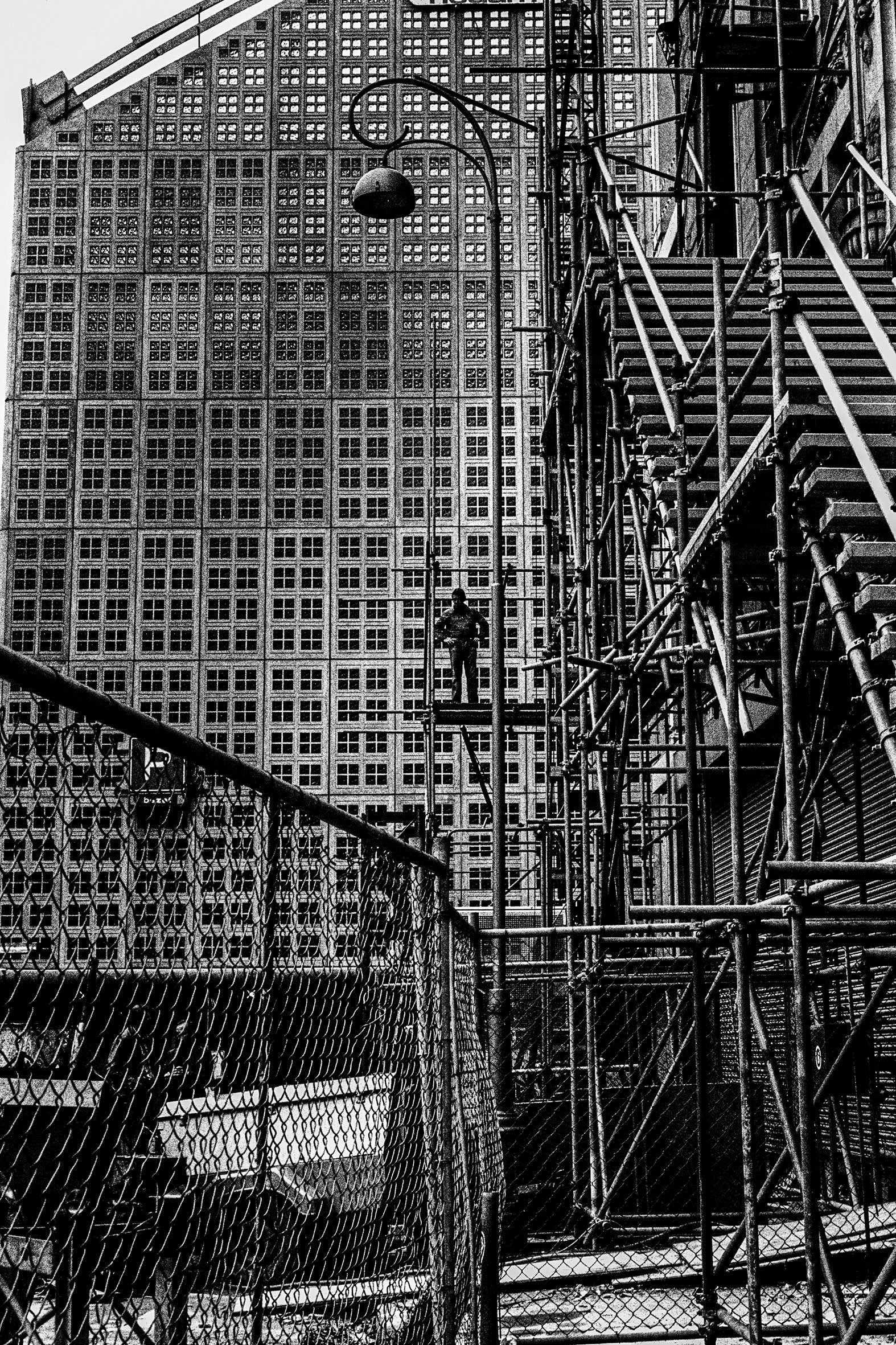
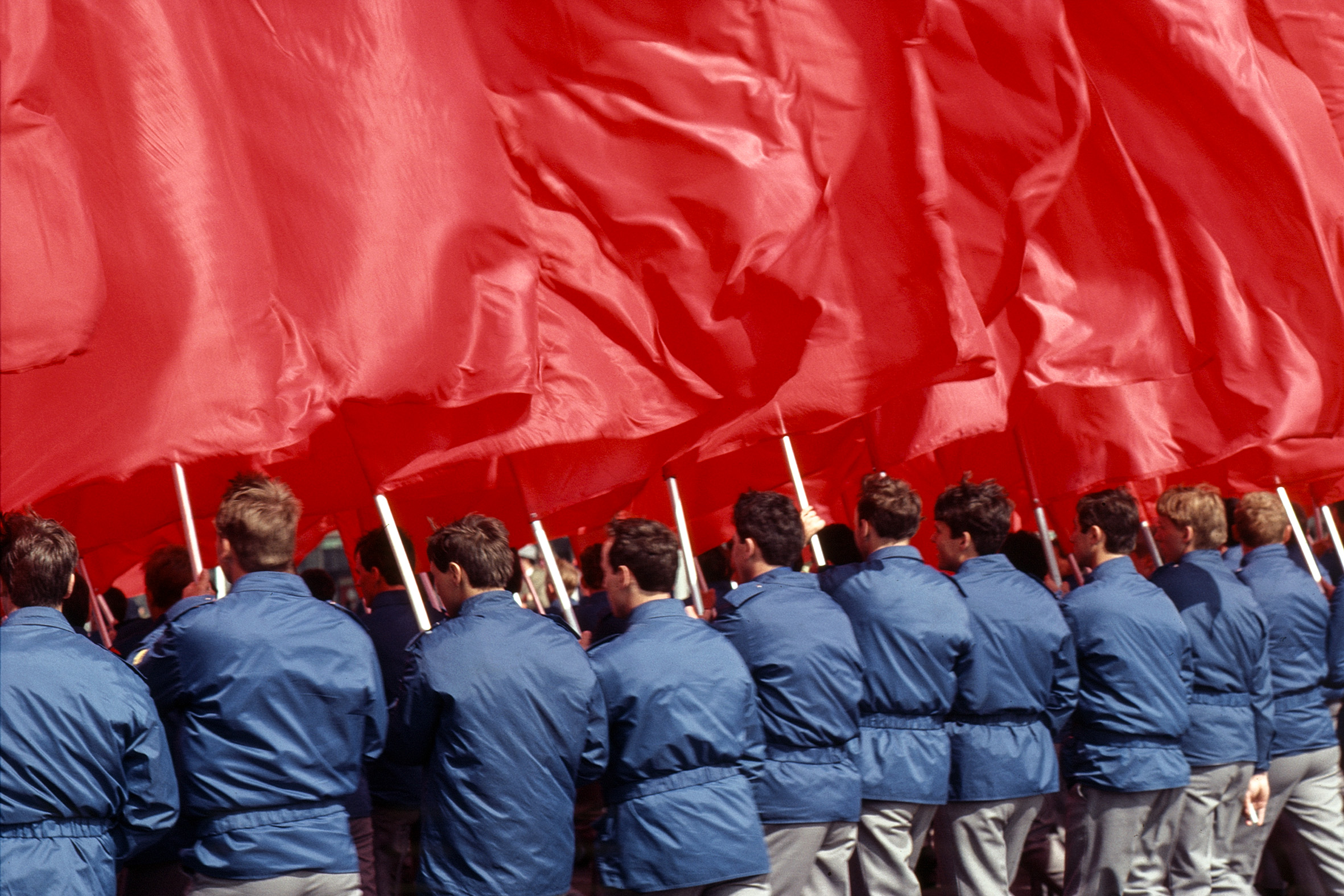
His photographs, in turn, constitute an extended survey. Residential complexes, trams, construction sites. Cinemas, public festivals, cafés with dancing. Colorful Trabant cars lined up in a row, MZ motorcycles, summertime “splashing around” between the apartment buildings. Parades, young men in blue Free German Youth (FDJ) shirts waving red flags, party-political visual propaganda in public space. The line in front of a flower shop, wallpaper with a crane motif above a hotel bed, sculptures in the Pergamonmuseum. East Berlin in 1987, the 750th anniversary celebration with onlookers, dancers, people taking pictures. And in West Berlin, people with binoculars and cameras standing on elevated viewing platforms, trying to catch a glimpse of East Germany over the Berlin Wall, which was teeming to the brim with graffiti.
The observant gaze inscribed in these photographs made by Seiichi Furuya in East and West Berlin leads back to the beginnings of his artistic work. Furuya moved from Japan to Austria in 1973 and took up residence in Vienna; in the pictures he took while traveling to Istanbul in 1975 or to Amsterdam in 1980, we also come across this observant gaze, with the aesthetic of these photographs oscillating between social-documentary and street photography. Furuya’s Amsterdam shots inspired his first photobook, titled AMS (1981).7 And his photographs created in the former GDR are thematically akin to the photographic series Staatsgrenze 1981–1983 (Border 1981–83) realized in 1983, and to the publication of the same name.8 In this work, Furuya focused on the border between Austria and its neighbors Czechoslovakia, Hungary, and Yugoslavia—the countries next to Austria on its former “East Bloc” side—through twenty-three photographs and short accompanying texts, along with quotes from people living in these border regions. By contrast, his photographs taken between 1985 and 1987 in East and West Berlin, in both color and black and white, tell of the division of Germany and the realities shattered in the process.
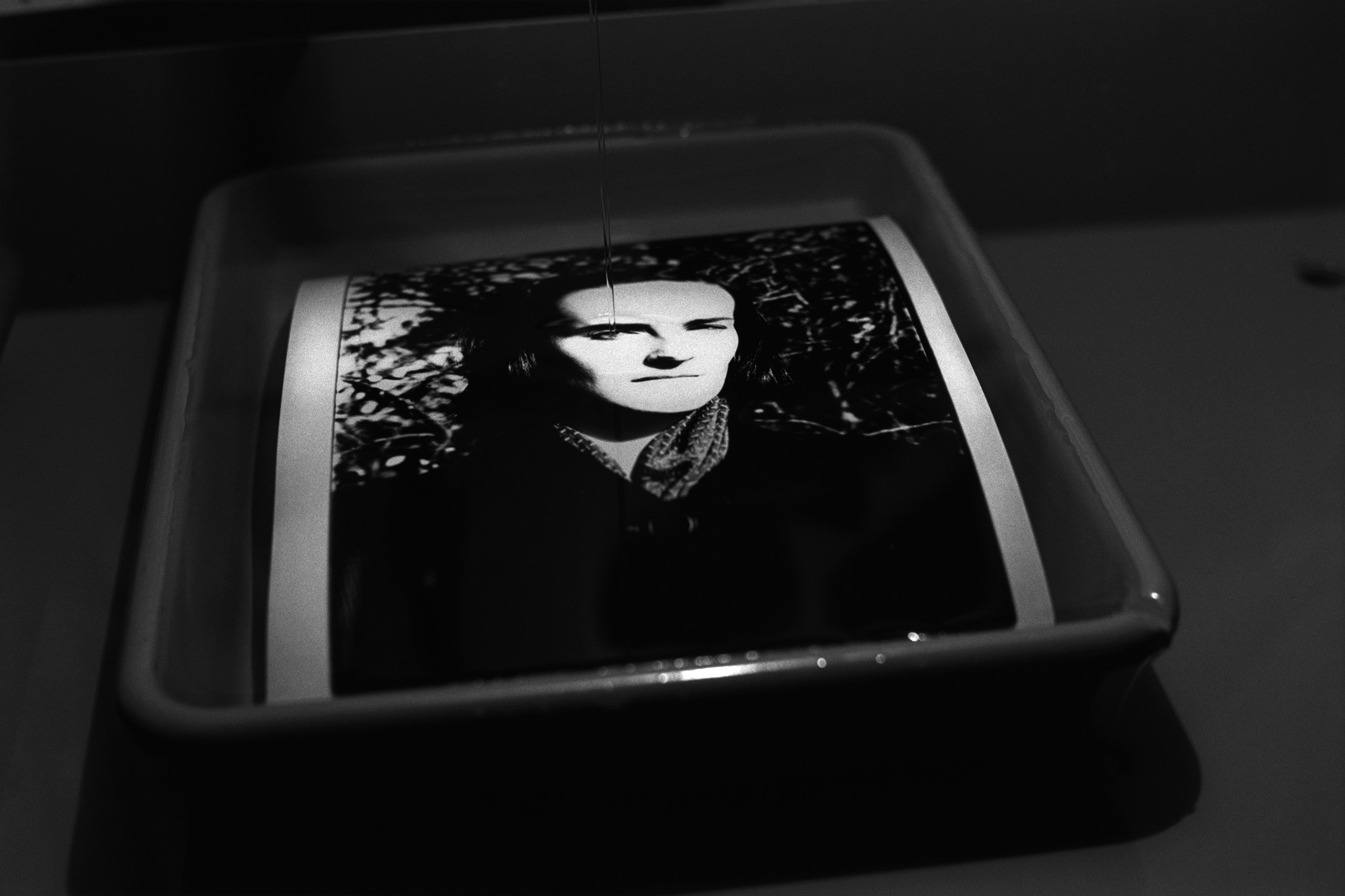
Back in Graz, in 1987, Seiichi Furuya photographed a black-and-white photo of Christine Furuya-Gössler lying in a laboratory dish in the darkroom, one that he had previously made and was now developing. Similar to the image described at the very beginning of this essay, she is wearing a silk scarf, a dark jacket. Christine’s facial expression is serious now, her gaze leading straight out of the picture, and the stream of water flowing as the photograph is rinsed comes into contact with her right eye, caressing it. The way Seiichi Furuya reflects again and again on the construction of the image, and of its visual essence, in his photographic work is apparent here—as so often in his oeuvre. Indeed, who would have thought back in 1978, on the coast of Izu, that it would be his extensive photographic archive from which remembrance, visualization, and, not least, longevity so clearly emanate?
¹ See Seiichi Furuya, Christine Furuya-Gössler, Photographs 1978–1985 (Marseille: Chose Commune, 2025), n. p. [insert].
² Seiichi Furuya, Mémoires (1978–1988) (Graz: Edition Camera Austria and Neue Galerie am Landesmuseum Joanneum, 1989); Seiichi Furuya, Mémoires 1995, exh. cat. Fotomuseum Winterthur (Zurich: Scalo Verlag, 1995); Seiichi Furuya, Mémoires 1983 (Christine Furuya-Gössler 1983 / Seiichi Furuya 2006) (Kyoto: Akaaka Art Publishing, 2006); and Seiichi Furuya, Mémoires: 1984–1987 (Shizuoka and Graz: Izu Photo Museum and Camera Austria, 2010).
³ Jacques Derrida, Mémoires: Für Paul de Man (Vienna: Passagen Verlag, 1988); published in English as Memoires for Paul de Man, trans. Cecile Lindsay, Jonathan Culler, Eduardo Cadava, and Peggy Kamuf (New York: Columbia University Press, 1989).
4 Seiichi Furuya, email correspondence with the author, October 15, 2026.
5 Kito Nedo and Kevin Hanschke, Wohnkomplex: Kunst und Leben im Plattenbau / Art and Life in Plattenbau, ed. DAS MINSK Kunsthaus in Potsdam (Berlin: DISTANZ, 2025).
6 Solveig Grothe, “Herr Furuya und das Ende der DDR,” Der Spiegel, July 12, 2012, https://www.spiegel.de/geschichte/ost-berlin-fotos-seiichi-furuya-und-die-ddr-a-947640.html.
7 Seiichi Furuya, AMS (Graz: Edition Camera Austria, 1981).
8 Seiichi Furuya, Staatsgrenze 1981–1983 (Leipzig: Spector Books, 2014).
Christina Irrgang
Seiichi Furuya was born 1950 in Izu, Shizuoka Prefecture, Japan. After graduating from Tokyo Polytechnic University (JP) in 1972, he departed from Yokohama Port in 1973 and traveled to Europe via the Trans-Siberian Railway. He initially resided in Vienna (AT) before moving to Graz (AT) in 1975. Furuya’s work interweaves family photographs, documentary images of everyday life, travel photography, and personal archives. A decisive event that profoundly shaped much of his artistic practice was the suicide of his wife, Christine, in East Berlin in October 1985. This loss became the foundation of a lifelong process of revisiting images, objects, and texts, culminating in a series of photobooks, including the five-volume Mémoires (1989–2010) and Last Trip to Venice (2002). Through these works, Furuya continues to explore themes of love, memory, loss, and the passage of time. Each work functions not only as a personal record but also as a carefully constructed work of photographic art. Since rediscovering Christine’s negatives among her personal belongings in 2018, Furuya has continued to edit and publish her photographs, offering new perspectives on their life together and their artistic collaboration. This rediscovery led to the publication of Face to Face (2020), First Trip to Bologna 1978 / Last Trip to Venice 1985 (2022), Our Pocketkamera 1985 (2023), and Christine Furuya-Gössler, Photographs 1978–1985 (2025). In 1980, Furuya was involved in the founding of the photography magazine Camera Austria. At the same time, through his activities at the Fotogalerie im Forum Stadtpark in Graz, he introduced numerous Japanese photographers to the European art scene. Furuya’s work has been exhibited extensively around the world and is held in the collections of major museums, including Stedelijk Museum Amsterdam (NL), The Museum of Modern Art, New York (US), Centre Pompidou, Paris (FR), The Metropolitan Museum of Art, New York, The National Museum of Modern Art, Tokyo, and the Albertina, Vienna. He currently lives and works in Graz.
Christina Irrgang (born 1983) holds a PhD in art and media studies and, as a freelance author, publishes work on contemporary art, as well as on photography and modern art. In independent projects in the areas of publishing and teaching, she works with methods related to democratic communication and conversational skills, from which conceptual dialogues emerge.
Images
Publication is permitted exclusively in the context of announcements and reviews related to the exhibition and publication. Please avoid any cropping of the images. Credits to be downloaded from the corresponding link.
-
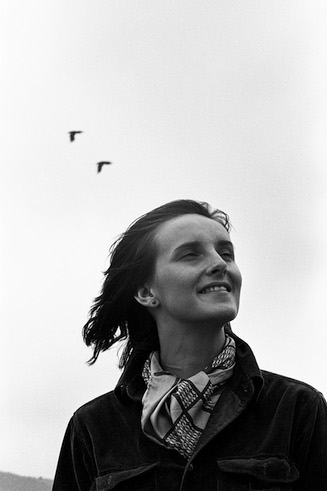
Seiichi Furuya, Izu, 1978.
Courtesy: the artist and Galerie Thomas Fischer, Berlin. Copyright: Bildrecht, Vienna, 2026.
Download printable version -
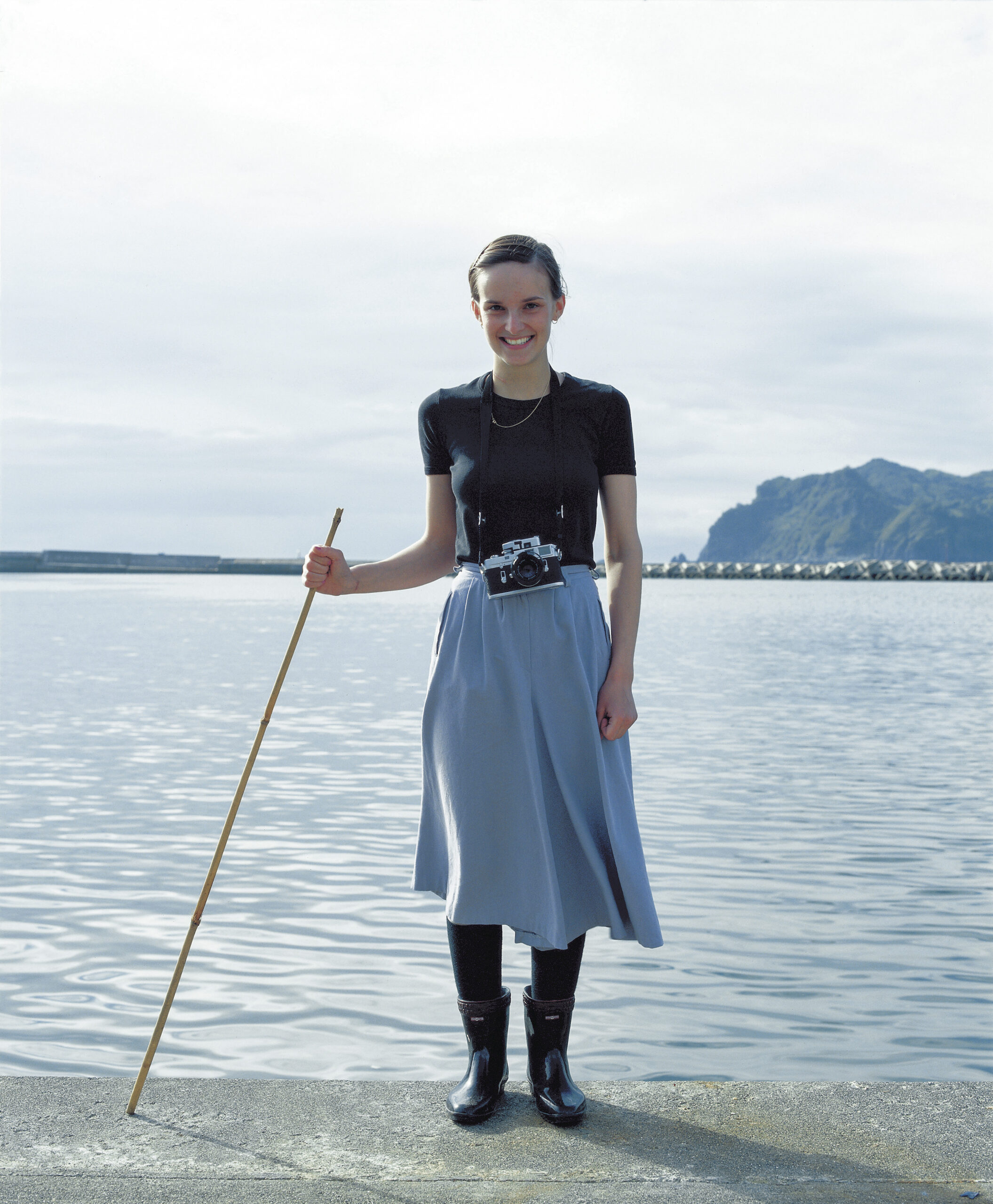
Seiichi Furuya, Izu, 1978.
Courtesy: the artist and Galerie Thomas Fischer, Berlin. Copyright: Bildrecht, Vienna, 2026.
Download printable version -

Seiichi Furuya, East Berlin, 1985 (Photo: Christine Furuya-Gössler).
Courtesy: the artist and Galerie Thomas Fischer, Berlin. Copyright: Bildrecht, Vienna, 2026.
Download printable version -
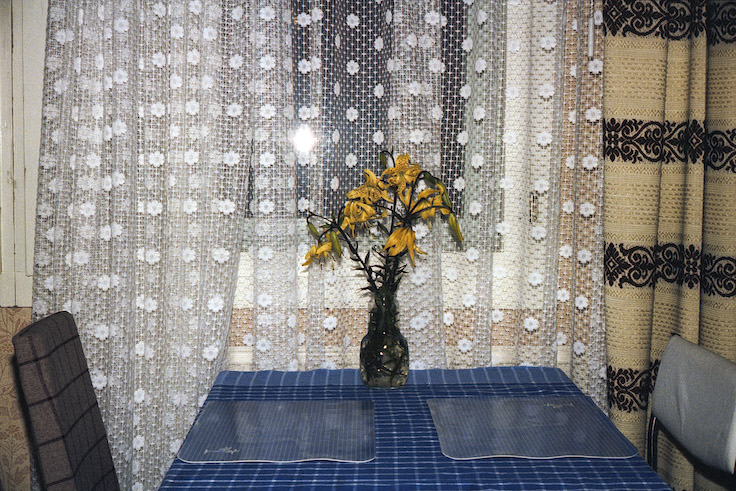
Seiichi Furuya, East Berlin, 1985.
Courtesy: the artist and Galerie Thomas Fischer, Berlin. Copyright: Bildrecht, Vienna, 2026.
Download printable version -

Seiichi Furuya, Amsterdam, 1980.
Courtesy: the artist and Galerie Thomas Fischer, Berlin. Copyright: Bildrecht, Vienna, 2026.
Download printable version -

Seiichi Furuya, Dresden, 1984.
Courtesy: the artist and Galerie Thomas Fischer, Berlin. Copyright: Bildrecht, Vienna, 2026.
Download printable version -

Seiichi Furuya, Vienna, 1983.
Courtesy: the artist and Galerie Thomas Fischer, Berlin. Copyright: Bildrecht, Vienna, 2026.
Download printable version -
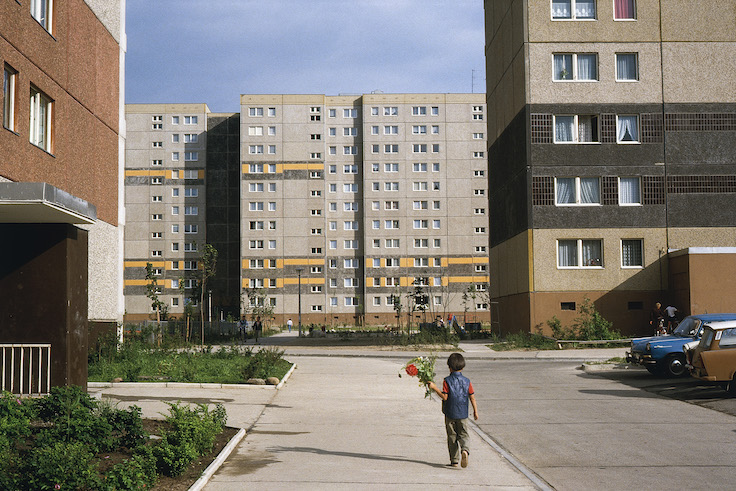
Seiichi Furuya, East Berlin, 1986.
Courtesy: the artist and Galerie Thomas Fischer, Berlin. Copyright: Bildrecht, Vienna, 2026.
Download printable version -

Seiichi Furuya, East Berlin, 1985.
Courtesy: the artist and Galerie Thomas Fischer, Berlin. Copyright: Bildrecht, Vienna, 2026.
Download printable version -

Seiichi Furuya, East Berlin, 1985.
Courtesy: the artist and Galerie Thomas Fischer, Berlin. Copyright: Bildrecht, Vienna, 2026.
Download printable version -

Seiichi Furuya, Graz, 1980.
Courtesy: the artist and Galerie Thomas Fischer, Berlin. Copyright: Bildrecht, Vienna, 2026.
Download printable version -
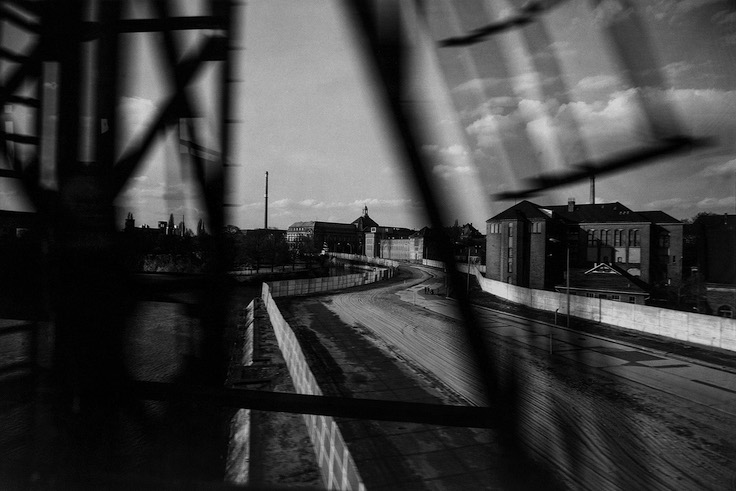
Seiichi Furuya, West Berlin—East Berlin, 1985.
Courtesy: the artist and Galerie Thomas Fischer, Berlin. Copyright: Bildrecht, Vienna, 2026.
Download printable version -
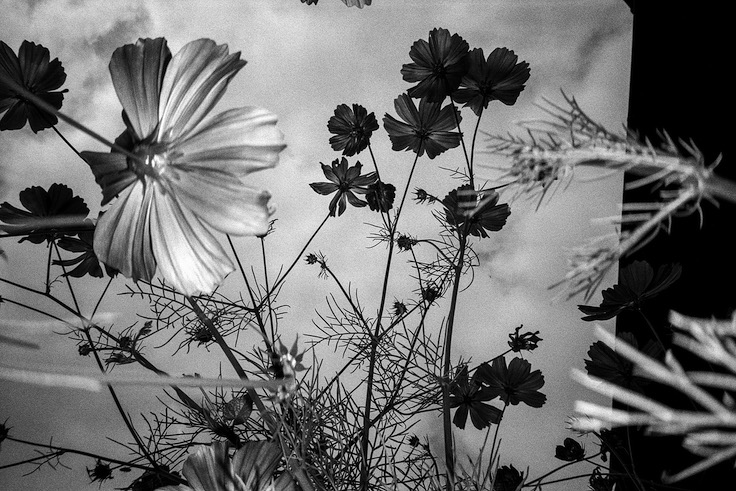
Seiichi Furuya, Graz, 1994.
Courtesy: the artist and Galerie Thomas Fischer, Berlin. Copyright: Bildrecht, Vienna, 2026.
Download printable version -

Seiichi Furuya, Graz, 1987.
Courtesy: the artist and Galerie Thomas Fischer, Berlin. Copyright: Bildrecht, Vienna, 2026.
Download printable version